
In the HVAC industry, a system is only as reliable as its tightest seal. For decades, manufacturers have relied on traditional methods like brazing, soldering, or mechanical crimping to seal copper and aluminum capillary tubes. While these methods are familiar, they introduce significant variables that jeopardize consistency.
Brazing and soldering are highly dependent on operator skill, creating inherent variations from joint to joint. Because these processes rely on intense heat, they alter the material properties of the tubing, often leading to thermal stress, warping, or microscopic thinning of the tube walls. Furthermore, chemical fluxes used during brazing can leave behind corrosive residues that eat away at the metal over time. Mechanical crimping, on the other hand, avoids heat but leaves micro-voids between the compressed metals, creating a joint that can loosen under the continuous vibration of an operational compressor.
The Science of Ultrasonic Consistency
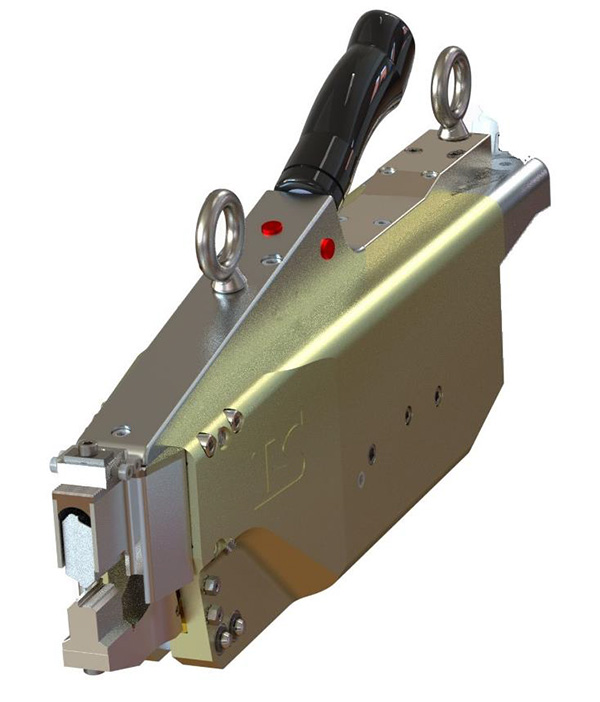
Ultrasonic metal welding redefines the sealing process by replacing intense heat and mechanical compression with high-frequency acoustic vibrations. The process works by clamping the HVAC tubing under precise pressure while applying ultrasonic vibrations (typically at 20 kHz to 40 kHz).
This localized friction instantly scrubs away surface oxides and contaminants, bringing the metal surfaces into direct contact. Under pressure, the atoms of the two surfaces diffuse across the boundary, creating a seamless, solid-state bond in a fraction of a second.
Because ultrasonic welding occurs well below the melting point of the metals, it offers unparalleled consistency:
- Elimination of Thermal Distortion: Without the extreme temperatures of a torch, the structural integrity of the copper or aluminum tubing remains perfectly intact.
- Data-Driven Quality Control: Modern ultrasonic welding systems monitor variables like energy, time, and displacement in real time. If a weld varies by even a fraction of a millimeter or millisecond, the system flags it instantly, ensuring every single tube meets identical quality metrics.
- Pure Metallurgical Bonds: The resulting seal is a homogenous metal structure entirely free of voids, flux inclusions, or brittle intermetallic layers.
Why Failure-Proof Seals Matter to HVAC OEMs
For Original Equipment Manufacturers (OEMs), demanding failure-proof tube seals is not just about quality assurance—it is a financial and environmental mandate.
First, modern HVAC systems utilize advanced, high-pressure refrigerants. A microscopic leak caused by a faulty braze joint can deplete a system’s charge, forcing the compressor to overwork, spike energy consumption, and ultimately fail.
Second, the environmental regulations surrounding refrigerant leaks are stricter than ever. OEMs face heavy penalties and severe reputational damage for systems that leak harmful greenhouse gases into the atmosphere.
Finally, the warranty costs of field repairs are astronomical. Locating and repairing a microscopic leak deep within a fully installed residential or commercial HVAC unit requires immense labor and field resources. By transitioning to ultrasonic metal welding, HVAC manufacturers secure an airtight, vibration-resistant, and highly repeatable seal—protecting their bottom line, their customers, and the environment.